From the monochrome, top-down view of early arcade cabinets to the photorealistic, open-world landscapes of today’s consoles, the car racing video game genre has remained a perpetual fixture in the gaming landscape. It is a genre that perfectly blends the universal appeal of speed, competition, and automotive fantasy, offering players an accessible yet challenging escape behind the virtual wheel.
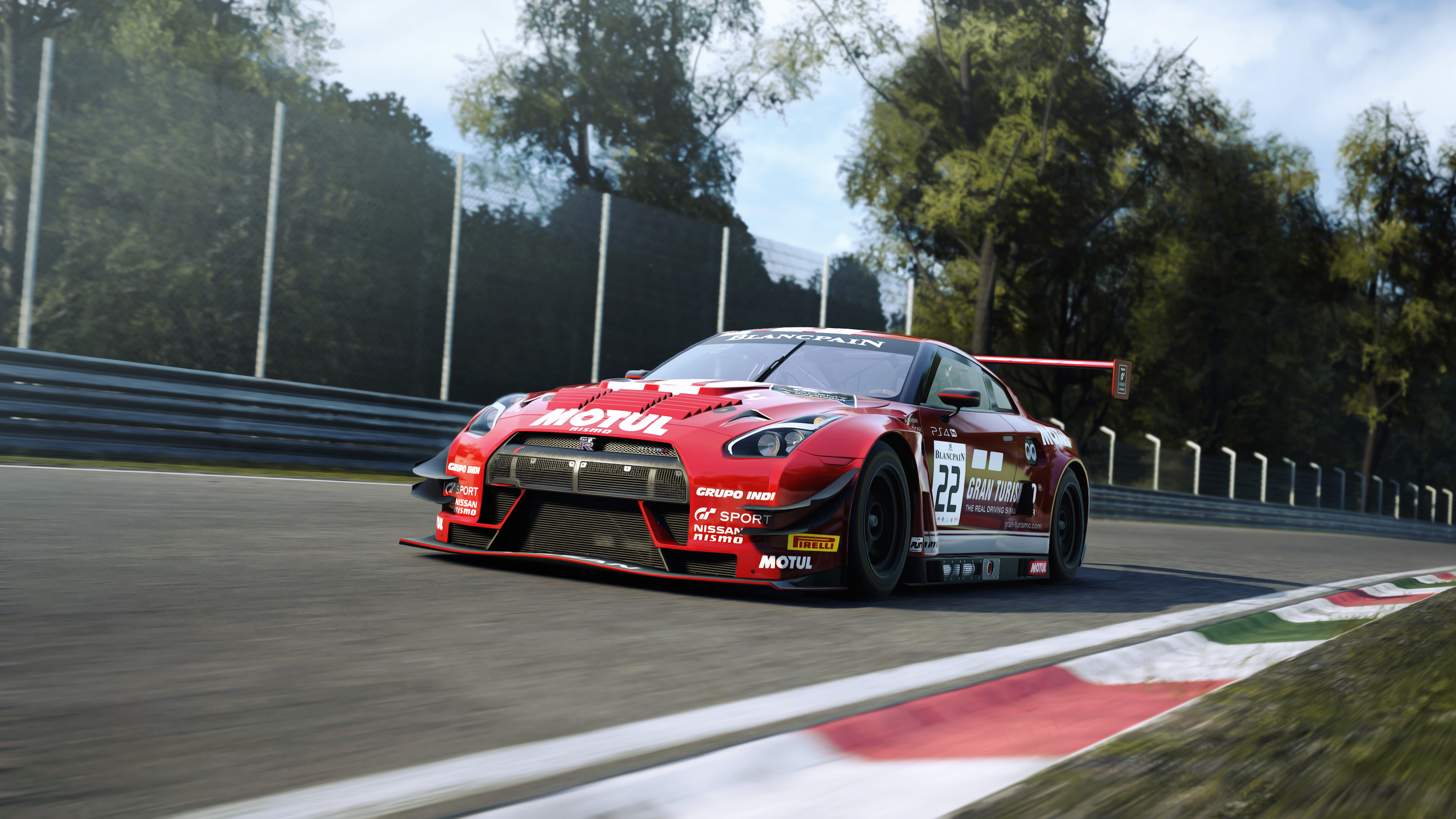
More than just entertainment, racing games have driven technological innovation, influenced real-world car culture, and split into diverse sub-genres that cater to every taste, from hardcore simulation enthusiasts to casual button-mashing fun-seekers.
A Split Road: Simulators vs. Arcade Racers
The richness of the racing genre is best understood by its primary division: the eternal rivalry between realism and fantasy.
1. Simulation Racing (Sim-Racing)
The pursuit of authenticity is the hallmark of sim-racing. These games prioritize accurate vehicle physics, real-world track layouts, and highly detailed car mechanics, often demanding the use of specialized peripherals like steering wheel and pedal sets for a truly authentic experience.
- Key Franchises: Gran Turismo (Sony), Forza Motorsport (Microsoft), Assetto Corsa, and iRacing.
- Defining Features:
- True-to-Life Physics: Suspension modeling, tire wear, fuel consumption, and aerodynamic drag are all accurately replicated.
- Career Depth: Extensive car tuning, licensing tests, and meticulous recreation of real-world racing series.
- E-Sports Prowess: Sim-racing is the bedrock of virtual motorsports, with many professional drivers using these games for training.
2. Arcade Racing
At the opposite end, arcade racers throw realism out the window in favor of pure, unadulterated fun. The focus is on accessible controls, over-the-top speed, explosive stunts, and often, weaponized combat.
- Key Franchises: Need for Speed, Burnout, and Forza Horizon.
- Defining Features:
- Open-World Exploration: Titles like Forza Horizon 5 transform racing into a lifestyle, encouraging exploration and dynamic events within massive, beautiful environments.
- Instant Gratification: Simple controls, aggressive driving, and the use of Nitro boosts for sudden, thrilling speed increases.
- Customization: Deep visual customization, allowing players to create unique street-racing machines.
The Karting Phenomenon: Simple Fun, Global Appeal
A crucial sub-genre is kart racing, a niche dominated by a single, iconic franchise. The success of Mario Kart (with over 150 million copies sold across its various iterations) demonstrates that a focus on simplified, cartoonish racing combined with chaotic item-based combat holds a monumental appeal. This genre thrives on multiplayer mayhem and skillful use of power-ups, making it the ultimate social racing experience.
The Cultural & Technological Impact
Racing games have left an indelible mark beyond entertainment, intertwining the digital world with real-life automotive culture and technology.
- Fueling Car Culture: For millions of gamers, titles like Need for Speed: Underground were the gateway to the tuner and street-racing scenes. The ability to visually and mechanically customize cars virtually has directly influenced real-world modification trends. They serve as a global showroom for exotic, luxury, and performance vehicles.
- Driving Technology: The genre has always been a proving ground for graphical fidelity. Racing environments and detailed car models have consistently pushed the limits of console and PC hardware. Furthermore, the development of sophisticated physics engines in sim-racing has contributed to the realism of professional driver training simulators.
- The Rise of E-Sports: High-level sim-racing has evolved into a legitimate e-sport, with factory racing teams from manufacturers like Mercedes, Porsche, and BMW sponsoring virtual drivers. The line between virtual and real motorsport continues to blur.
The Future is Hybrid and Immersive
The next era of car racing games is already being defined by enhanced immersion and a blurring of sub-genres. Virtual Reality (VR) support in titles like Gran Turismo 7 is taking players closer to the authentic cockpit experience than ever before. Meanwhile, new titles are exploring the “simcade” approach, attempting to find the perfect middle ground between the accessibility of arcade controls and the detailed physics of a simulator.
The car racing game genre continues its long, winding journey, maintaining a velocity few other game types can match. It remains a powerful cultural force, celebrating the machine, the speed, and the pure, competitive spirit of the open road.