3D scanning computer technology is the revolutionary bridge between the physical world and the digital realm. Far more than just a camera, a 3D scanner is a sophisticated measuring device that captures the geometric shape, size, and sometimes the color of real-world objects, converting them into precise digital models. This technology is fundamentally changing industries from manufacturing and healthcare to entertainment and architecture, creating a digital twin for everything from a tiny machine part to an entire building.
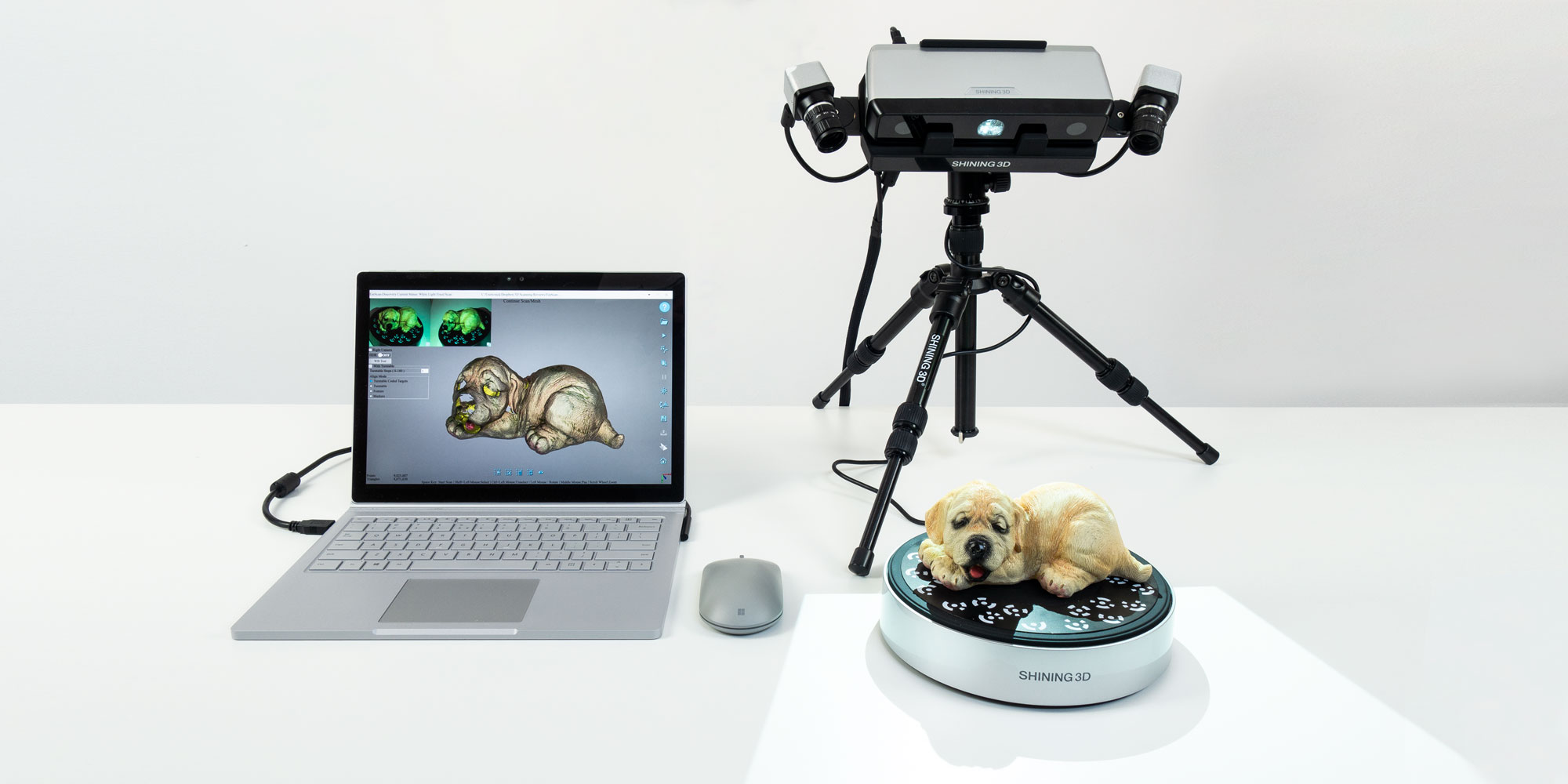
Understanding how these systems work and where they are apply is key to grasping the enormous potential of this rapidly evolving field.
The Mechanics of Digitization: How 3D Scanners Work
3D scanners employ various principles to collect millions of data points, known as a “point cloud,” which the computer then processes into a cohesive digital mesh. The primary non-contact methods are based on light and time.
Key Scanning Technologies:
- Structured Light Scanning: