The world of PC gaming stands as the pinnacle of immersive, high-fidelity digital entertainment. Beyond the limitations of closed-system consoles, a Gaming PC offers unparalleled control, customization, and cutting-edge performance, making it the preferred choice for serious enthusiasts and competitive players alike. This article delves into the core components, benefits, and future of these powerful machines, optimized for readers looking to understand or upgrade their ultimate gaming rig.
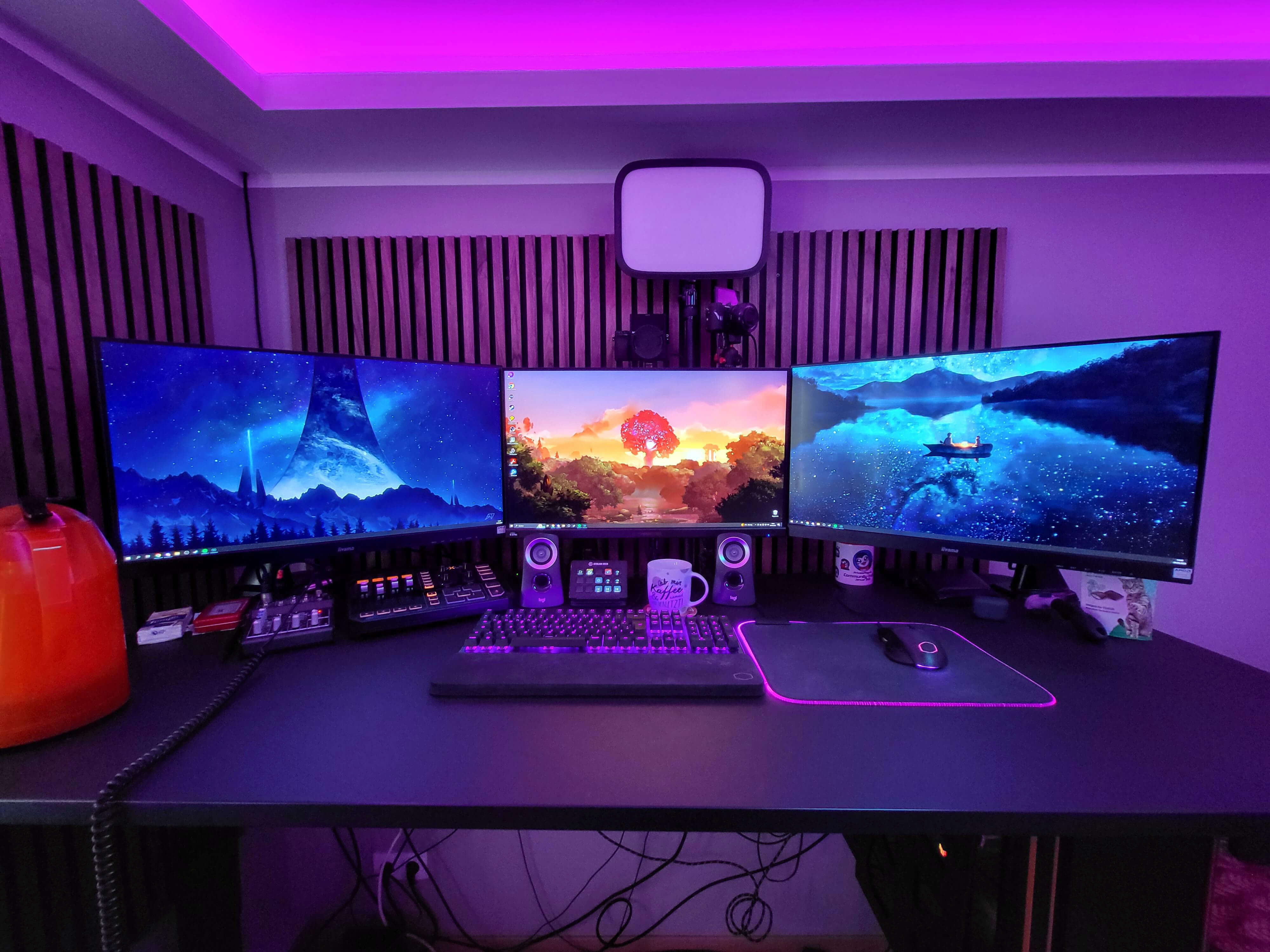
What Defines a True Gaming PC?
A Gaming PC is a purpose-built computer designed to handle the intense demands of modern video games. Unlike a standard desktop, it prioritizes processing power, graphical fidelity, and speed. The difference is immediately noticeable in smoother frame rates, higher resolutions (like 4K and beyond), and stunning visual details, often incorporating advanced rendering technologies like ray tracing.
The Essential Components for Peak Performance
Building or buying a Gaming PC is about achieving a delicate balance between key components. Overspending on one part while neglecting another can create a performance “bottleneck,” where the weaker component holds the entire system back.
1. The Graphics Processing Unit (GPU) – The Visual Engine
The GPU, often referred to as the graphics card, is arguably the most crucial component for gaming. It is solely responsible for rendering the detailed, real-time 3D graphics that bring games to life.
- Key Insight: For high-resolution (1440p and 4K) or high refresh-rate gaming, the majority of your budget should be allocated to the most powerful GPU you can afford.
2. The Central Processing Unit (CPU) – The Brain
The CPU handles game logic, physics, artificial intelligence (AI), and coordinates the work of the GPU. A strong multi-core CPU ensures smooth performance in complex, open-world, or strategy games.
- Crucial Factor: While the GPU dictates graphical quality, a good CPU prevents stuttering and ensures a high, stable frame rate, especially when multitasking (like streaming while playing).
3. RAM (Random Access Memory) – The System’s Short-Term Memory
RAM is where the system temporarily stores data that the CPU and GPU need to access quickly.
- Modern Standard: 16GB is the recommended baseline for modern AAA gaming. Moving to 32GB is becoming increasingly common for those who stream, edit video, or play highly demanding simulation games.
4. Storage – Speed Matters
Gone are the days when slow Hard Disk Drives (HDDs) were acceptable for gaming. Solid State Drives (SSDs), particularly the blazing-fast NVMe M.2 SSDs that connect directly to the motherboard via the PCIe interface, are essential.
- Benefit: SSDs drastically reduce game loading screens, level transitions, and boot times, significantly improving the overall user experience.
5. Cooling and Power Supply Unit (PSU)
High-performance components generate significant heat. A robust cooling solution (either air cooling or liquid cooling) is necessary to maintain optimal temperatures, preventing performance throttling and ensuring the longevity of your hardware. Likewise, a high-quality, properly rated PSU provides clean, stable power, protecting your valuable components.
The Undeniable Advantages of PC Gaming
Choosing a Gaming PC over a console offers distinct advantages that cater to a more demanding user base:
- Superior Graphics and Performance: PCs boast the highest available hardware specifications, allowing for maximum graphical settings, higher resolutions, and frame rates far exceeding standard console limits.
- Ultimate Customization and Upgradability: PC architecture is open. Users can select and replace individual components, allowing them to upgrade their system incrementally to keep pace with new technology—a process often called “future-proofing.”
- Versatility: A Gaming PC is not just for games. It’s a powerhouse for productivity, video editing, graphic design, and simultaneous streaming, making it a powerful all-in-one machine for work and entertainment.
- Control and Peripherals: PC gamers benefit from the superior precision of a keyboard and mouse, essential for competitive genres like First-Person Shooters (FPS) and Real-Time Strategy (RTS). They also have access to an endless array of monitors, headsets, and specialized controllers.
- Vast Game Library and Modding: The PC platform offers the largest and most diverse library of games, from classic titles to the newest releases, alongside the massive community-driven world of game modding, which extends the life and content of countless games.
The Horizon of PC Gaming: Future Trends
The gaming PC landscape is constantly evolving, driven by technological breakthroughs:
- The Rise of AI: Artificial Intelligence is transforming both the hardware and software experience. AI-driven upscaling technologies (like DLSS and FSR) are using machine learning to boost frame rates while maintaining image quality.
- Immersive Realities: Advancements in Virtual Reality (VR) and Augmented Reality (AR) require serious graphical horsepower, and Gaming PCs will remain the engine room for the most intensive, high-fidelity VR experiences.
- Faster Interfaces: The continued adoption of high-speed standards like PCIe 5.0 and DDR5 RAM ensures that the data can flow quickly between the CPU, GPU, and memory, eliminating potential latency issues.
Conclusion
The Gaming PC remains the gold standard for high-performance digital entertainment. While the initial investment can be significant, the power, flexibility, and endless upgrade potential offer unmatched value. By understanding the critical role of each component—from the dominant GPU to the speedy NVMe SSD—gamers can build a custom rig that not only handles today’s most demanding titles but is also ready to conquer the technological challenges of the future. Investing in a quality Gaming PC is not just buying a computer; it’s buying a ticket to the most immersive, dynamic, and visually stunning experiences the gaming world has to offer.